The Blueprint for Cost-Free Web Publishing
Introduction
Setting up a digital footprint used to demand active server administration, custom DNS routing, and monthly hosting fees. Today, content producers bypass technical overhead entirely by tapping into managed cloud publishing environments. Platforms like BlogOrbix give independent authors, business units, and creative groups immediate access to writing suites equipped with custom subdomains, distraction-free markdown tools, team role assignments, and built-in network distribution.blogorbix.com
Blog Sections Overview
- Zero-Cost Publishing Frameworks
- Setting Up Your First Publication
- What Writers Need from Publishing Software
- Moving Beyond Private Files
- A Direct Approach to Publishing Articles
- Understanding Free Hosting Options
- Managing Multi-Author Publications
- Personal Blogs and Creative Portfolios
- Scaling Content for Growing Businesses
- Finding Your Creative Community
- Platform Comparison Matrix
- Common Publishing Mistakes
- Pre-Publication Quality Review
- Improving Your Writing Clarity
- How BlogOrbix Supports Publishing Workflows
- Real-World Publishing Scenarios
- Frequently Asked Questions
- Final Thoughts
Zero-Cost Publishing Frameworks
A zero-cost publishing platform takes responsibility for infrastructure, allowing authors to push live articles without buying server space. You bypass command-line setups entirely and begin writing inside a pre-configured dashboard.
While zero-cost setups eliminate upfront financial barriers, operating terms differ by vendor. Certain providers limit custom CSS injection or enforce layout restrictions. Reviewing these constraints early prevents technical friction down the road.
Setting Up Your First Publication
Establishing a new outlet takes a few practical moves:
- Pinpoint a single topic and target reader base.
- Select an editor layout that matches your drafting style.
- Register your credentials using a valid email.
- Reserve a clean, easy-to-read web handle.
- Compose your initial draft in a minimalist text editor.
- Read the draft aloud to spot awkward sentence cadence.
- Push your work live for public access.
- Distribute your article link across professional channels.
- Maintain a regular, sustainable writing schedule.
What Writers Need from Publishing Software
Writers thrive in quiet digital environments. A well-designed publishing tool keeps formatting options secondary, ensuring your arguments remain the primary focal point during drafting.
Look for responsive themes that adjust seamlessly to mobile viewports. Straightforward categorization systems also keep past entries organized as your archive expands.
Moving Beyond Private Files
Leaving research notes inside private directories limits their impact. Publishing online converts offline files into practical resources that help others solve specific technical or creative problems.
Distributing work publicly also creates feedback loops. Whether sharing field reports or software guides, clear headings and concise paragraphs help visitors consume information quickly.
A Direct Approach to Publishing Articles
Consistent output stems from simple routines. Focus each article on solving one specific problem or answering a singular question.
Divide complex concepts using brief paragraphs and informative section titles. Edit your text thoroughly before pushing live, and always write original sentences to protect your credibility.
Understanding Free Hosting Options
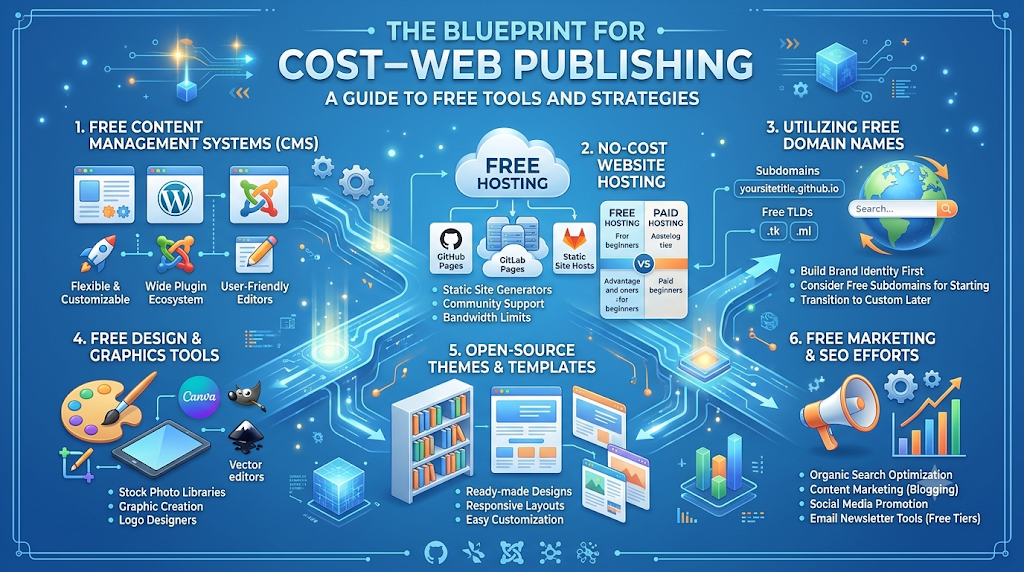
Web content requires physical server memory to stay accessible online. Free hosting means the provider covers those hardware costs without billing you monthly maintenance charges.
Most free plans issue an instant subdomain (such as yourname.blogorbix.com). Storage caps or customization limits may apply based on platform policy.
Managing Multi-Author Publications
Multi-author spaces let team members publish under a single publication brand. This structure benefits consultancy teams, research groups, and editorial collectives pooling specialized knowledge.
Working with multiple contributors expands subject coverage and brings varied angles to your audience. Setting up explicit editorial handoffs—such as drafting, copyediting, and final sign-off—prevents miscommunication near publish deadlines.
Personal Blogs and Creative Portfolios
Personal blogs give creators an independent home for project archives, creative writing, or professional career logs. Focusing on a specific theme helps new visitors understand your work right away. Always protect personal security by keeping sensitive identification records off public pages.
Scaling Content for Growing Businesses
Businesses publish educational blogs to document domain expertise, answer recurring customer questions, and outline product features.
Informative posts build credibility with potential clients. Focus on delivering accurate answers to practical user queries rather than filling paragraphs with sales language.
Finding Your Creative Community
Writing without feedback feels isolating. Interacting with other creators lets you trade notes, gather constructive criticism, and refine your perspective.
Engaging respectfully with peers fosters an encouraging environment. Platforms equipped with internal discovery feeds make it easier for independent authors to connect with like-minded readers.
Platform Comparison Matrix
Different projects require distinct operational setups. Match your project type with the right platform configuration using this table.
| Project Type | Typical Content | Key Features to Inspect | Initial Strategy |
|---|---|---|---|
| Personal Blog | Hobbies, travel logs, essays | Minimal editor, subdomain support, clean layouts | Write regularly on subjects you know well. |
| Portfolio Site | Case studies, bios, work samples | Professional styling, tag sorting, clean typography | Present your past work clearly and concisely. |
| Business Hub | Guides, customer FAQs, industry notes | Multi-author tools, clear topic categorization | Focus on answering real client questions. |
| Group Journal | Team essays, collective research | Contributor roles, editorial review tools | Establish strict review protocols early. |
Common Publishing Mistakes
New authors often encounter similar obstacles. Keep an eye out for these ten missteps:
- Writing without a defined focus: Stick to a distinct core topic so readers know what to expect.
- Ignoring platform terms: Review site rules before setting up your publication.
- Building wall-to-wall text blocks: Use short paragraphs and clear headers for easier reading.
- Skipping proofreading: Read drafts out loud to catch awkward phrasing.
- Copying external content: Write original text to earn long-term reader trust.
- Using vague titles: Write direct, accurate headlines that state the article topic clearly.
- Expecting instant readership: Treat publishing as a steady, ongoing effort.
- Ignoring user questions: Address specific topics your audience actually cares about.
- Posting on an irregular schedule: Establish a realistic publishing frequency you can maintain.
- Exposing private records: Keep personal documents off public web pages.
Pre-Publication Quality Review
Work through this checklist before pushing your next post live.
| Phase | Action Item | Purpose |
|---|---|---|
| 1. Focus | Target one central question. | Keeps the post tight and practical. |
| 2. Heading | Draft an honest, descriptive title. | Tells readers exactly what to expect. |
| 3. Layout | Insert short paragraphs and headers. | Ensures comfortable reading on mobile screens. |
| 4. Editing | Correct spelling and grammar errors. | Protects professional credibility. |
| 5. Originality | Verify all text is unique. | Respects copyright laws and builds trust. |
| 6. Preview | Inspect formatting on a mobile view. | Catches layout glitches before launch. |
| 7. Launch | Click publish and share the link. | Makes your ideas available globally. |
Improving Your Writing Clarity
Clear communication relies on disciplined editing. Narrow your focus to tight, specific topics instead of attempting to cover sprawling subjects.
Organize your points logically using explicit section headers, support key ideas with concrete examples, remove filler words, and update older articles as facts change.
How BlogOrbix Supports Publishing Workflows
BlogOrbix provides an all-in-one workspace that allows writers and businesses to publish content without setting up separate hosting infrastructure.
Users get an instant personal subdomain upon sign-up. The platform supports single-author blogs as well as team publications across diverse industries, utilizing built-in discovery tools to connect independent posts directly with active readers.
Real-World Publishing Scenarios
Here is how different creators put zero-cost publishing tools to work in practice.
The Independent Traveler
A weekend hiker wants to record trip notes without paying monthly hosting charges.
- Action: She creates an account on a free platform and claims a custom subdomain.
- Outcome: She publishes trail guides that fellow outdoor enthusiasts access online.
The Coding Instructor
A computer science teacher needs a clean space to post programming guides for students.
- Action: He formats step-by-step tutorials using a minimalist text editor.
- Outcome: Students follow code walkthroughs without distraction from heavy ads.
The Boutique Agency
A consulting firm needs a shared publication space to post weekly industry analysis.
- Action: They launch a multi-author blog using team permission controls.
- Outcome: Consultants collaborate on drafts and publish insights under one unified brand.
Frequently Asked Questions
What is a Free Blogging Platform?
A free publishing platform is an online service that lets you write and release articles without purchasing separate server space. The host manages security, maintenance, and server updates so creators can focus purely on writing.
How can I Create a Blog for Free?
You can create a free blog by signing up with your email on a hosted platform. Choose a subdomain handle, write your text inside the provided web editor, check for typos, and click publish to make your piece live.
Which Blogging Platform for Writers should I choose?
Choose a platform that offers a clean, distraction-free editor, mobile-friendly themes, and easy category management. Your choice depends on whether you are writing personal notes, showcasing portfolio work, or running a team blog.
What is an Online Publishing Platform?
An online publishing platform is digital software that converts raw text into public web pages. It lets creators share articles globally through regular web browsers.
How can I Publish Articles Online?
Select a clear topic, write concise paragraphs, and format the draft with section titles. Proofread your piece, check the mobile preview, and hit publish on your platform dashboard.
What is Free Blog Hosting?
Free blog hosting provides server storage for your articles at no charge. Platforms usually supply a free subdomain, though storage caps or theme choices may vary by provider.
What is a Multi-Author Blogging Platform?
A multi-author platform allows several writers to create, edit, and post content under one unified site. This makes it easy for businesses, writing circles, and magazines to manage team workflows.
How does a Personal Blogging Platform help beginners?
Personal platforms give beginners a risk-free space to practice writing without dealing with website code or hosting fees. Securing a free subdomain gives your writing a permanent home online.
How can a Business Blogging Platform help a company?
A business blog helps companies publish tutorials, answer customer questions, and demonstrate industry knowledge. Useful articles build trust with readers without forcing complex server management on your team.
How can I build a Blogging Community for Writers?
Build a community by reading other blogs, leaving genuine comments, and sharing posts inside discovery feeds. Platforms like BlogOrbix give independent authors shared spaces to connect with new readers.
Can a free blog use its own web address?
Most free platforms assign a standard subdomain automatically while giving you the option to connect a custom domain name later if desired.
Is BlogOrbix suitable for beginners and professional writers?
Yes. BlogOrbix suits new and experienced authors alike by offering simple writing tools, subdomains, multi-author management, and built-in article discovery.
Final Thoughts
Selecting the right publishing workspace lets you share ideas globally without managing complex backend infrastructure. Focus on selecting a distinct subject, drafting clear sentences, and reviewing platform guidelines before launch. Tools like BlogOrbix streamline digital publishing by offering free subdomains, team permissions, and organic discovery for independent creators. Outline your first piece today and take your writing live.blogorbix.com
Leave a Reply